
5 Reasons To Schedule Horseback Riding Lessons
Horseback riding is often celebrated as a serene recreational pastime, yet its transformative impact on overall human well-being extends far beyond simple fun. Engaging with horses demands a unique synthesis of physical effort, cognitive alertness, and emotional harmony. Whether riding along scenic country paths or practicing structured maneuvers within an arena, equestrians cultivate a specialized set of skills that positively influence almost every dimension of daily living. Scheduling horseback riding lessons offers a structured gateway into this rewarding world, providing guided instruction that ensures both rider safety and steady personal progression. From building deep muscular endurance to refining posture and joint mobility, the physical demands of equestrianism deliver a holistic workout that rivals traditional athletic training.
1. Improving Physical Strength and Overall Fitness
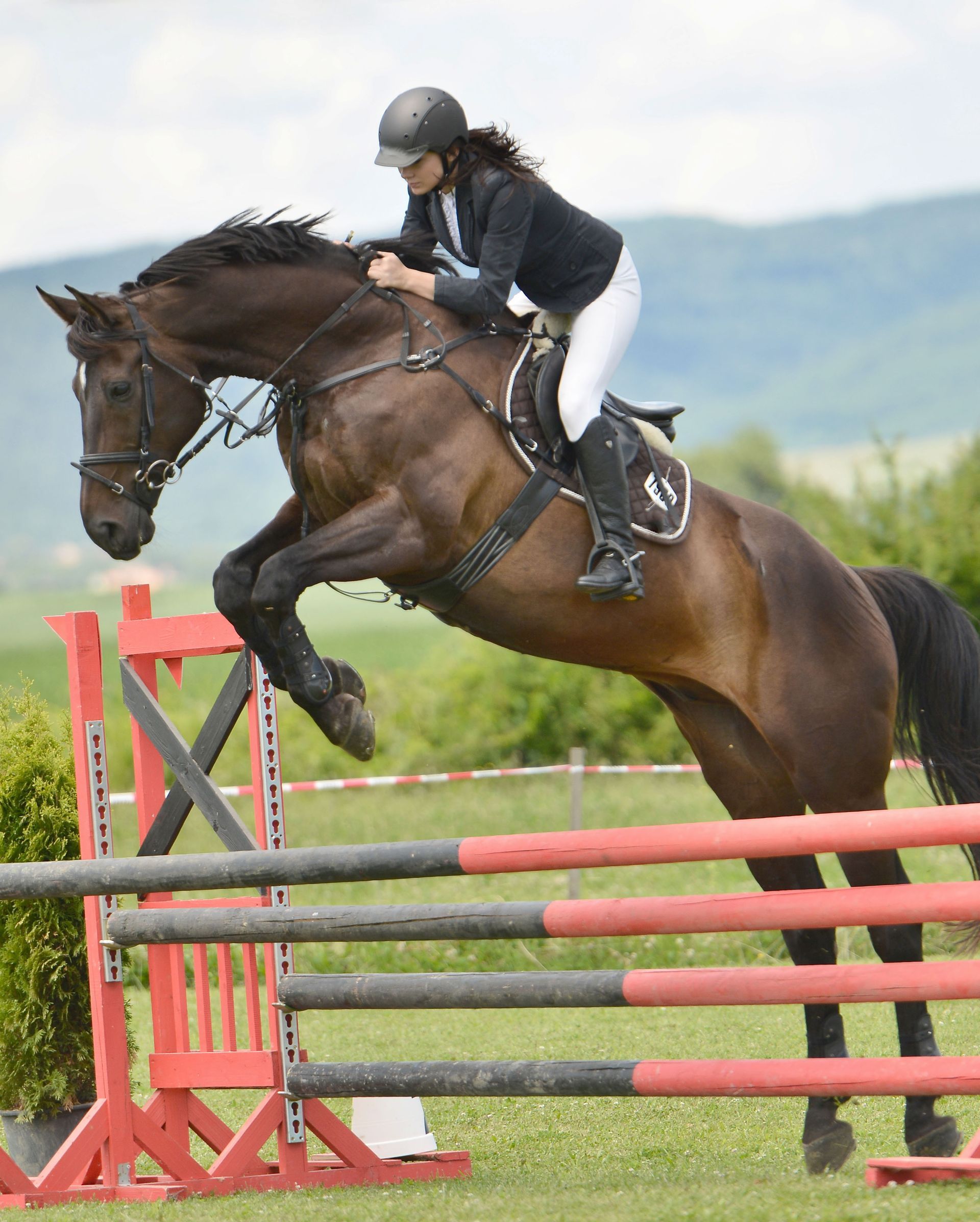
Engaging in equestrian sports provides a thorough physical workout that targets multiple major muscle groups simultaneously, with particular emphasis on core stability and lower body strength. Maintaining proper alignment in the saddle requires continuous micro-adjustments of the abdominal, back, and pelvic muscles as the rider's body reacts to the dynamic movement of the horse. This constant postural engagement builds functional core strength without relying on repetitive gym exercises like sit-ups or planks. Over time, riders develop superior posture, reduced lower back strain, and enhanced stability that seamlessly carries over into day-to-day physical tasks. Furthermore, steering and maintaining proper leg position tone the inner thighs, calves, and gluteal muscles, creating a balanced and resilient muscular structure.
In addition to muscle conditioning, taking horseback riding lessons significantly enhances flexibility, joint mobility, and cardiovascular endurance. The physical actions involved in mounting, dismounting, and adjusting hip posture encourage a wide range of motion, particularly around the hip flexor and pelvic region. This ongoing dynamic stretching keeps muscles limber and reduces the likelihood of physical injury in everyday life. Cardiovascular health is similarly elevated during higher gait transitions such as trotting and cantering, where heart rates rise to match the energetic demands of the ride. According to Scott Max, in the United States, participation in equestrian activities has seen over 7.6 million people actively engaged in horse-related activities.
2. Elevating Mental Clarity and Emotional Health
The psychological rewards of regular equine interaction offer a potent antidote to persistent stress and mental exhaustion. Enrolling in horseback riding lessons provides a dedicated space where individuals can temporarily disconnect from demanding responsibilities and immerse themselves in a soothing outdoor environment. The rhythmic, repetitive motion of a horse's stride exerts a calming effect on the human nervous system, promoting the release of endorphins and reducing stress hormones. Stable environments, surrounded by fresh air and open space, encourage deep breathing and immediate relaxation, allowing the mind to reset and recover from mental fatigue.
Working alongside horses also fosters profound emotional regulation and anxiety relief. Horses are remarkably perceptive creatures that respond directly to the emotional state and body language of their handlers. To guide a horse effectively, riders must cultivate internal composure, steady breathing, and clear intentionality. This requirement trains riders to manage their own emotional reactions and anxiety in real time. The non-judgmental companionship offered by a horse creates a safe space for emotional expression, instilling a deep sense of security, trust, and psychological comfort that persists long after leaving the barn.
3. Developing Patience and Mindful Focus
Patience is an indispensable virtue in the equestrian realm, as building a harmonious partnership with a horse requires steady dedication and mutual understanding. Attending regular horseback riding lessons cultivates patience by teaching riders that progress in horse handling cannot be rushed or forced. Horses operate on their own timelines and react to subtle non-verbal cues, requiring handlers to remain calm, persistent, and adaptable when working through training challenges. Learning to break complex maneuvers down into manageable steps reinforces the value of gradual growth and delayed gratification, teaching lessons that extend far beyond equestrian skills.
This process of communication naturally encourages a state of moving meditation and heightened mindfulness. To communicate effectively with a horse, a rider must become acutely attuned to minute physical details, such as rein tension, leg pressure, and subtle weight shifts. This level of sensory awareness grounds the rider completely in the present moment, aligning mind and body in shared effort. By practicing this disciplined focus during every session, equestrians strengthen their capacity for mindfulness, allowing them to remain composed and observant in challenging daily scenarios outside the ring.
4. Fostering Meaningful Social Connections
The equestrian community provides a welcoming atmosphere where individuals can establish meaningful social ties based on shared passions and values. Participating in horseback riding lessons introduces individuals to a diverse network of fellow enthusiasts, trainers, and volunteers who share a deep respect for horses. Group lessons, stable events, and riding clinics foster natural conversations and collaborative learning, making it easy for newcomers to feel integrated. The shared experiences of overcoming riding challenges, caring for animals, and celebrating accomplishments form a strong foundation for lifelong friendships.
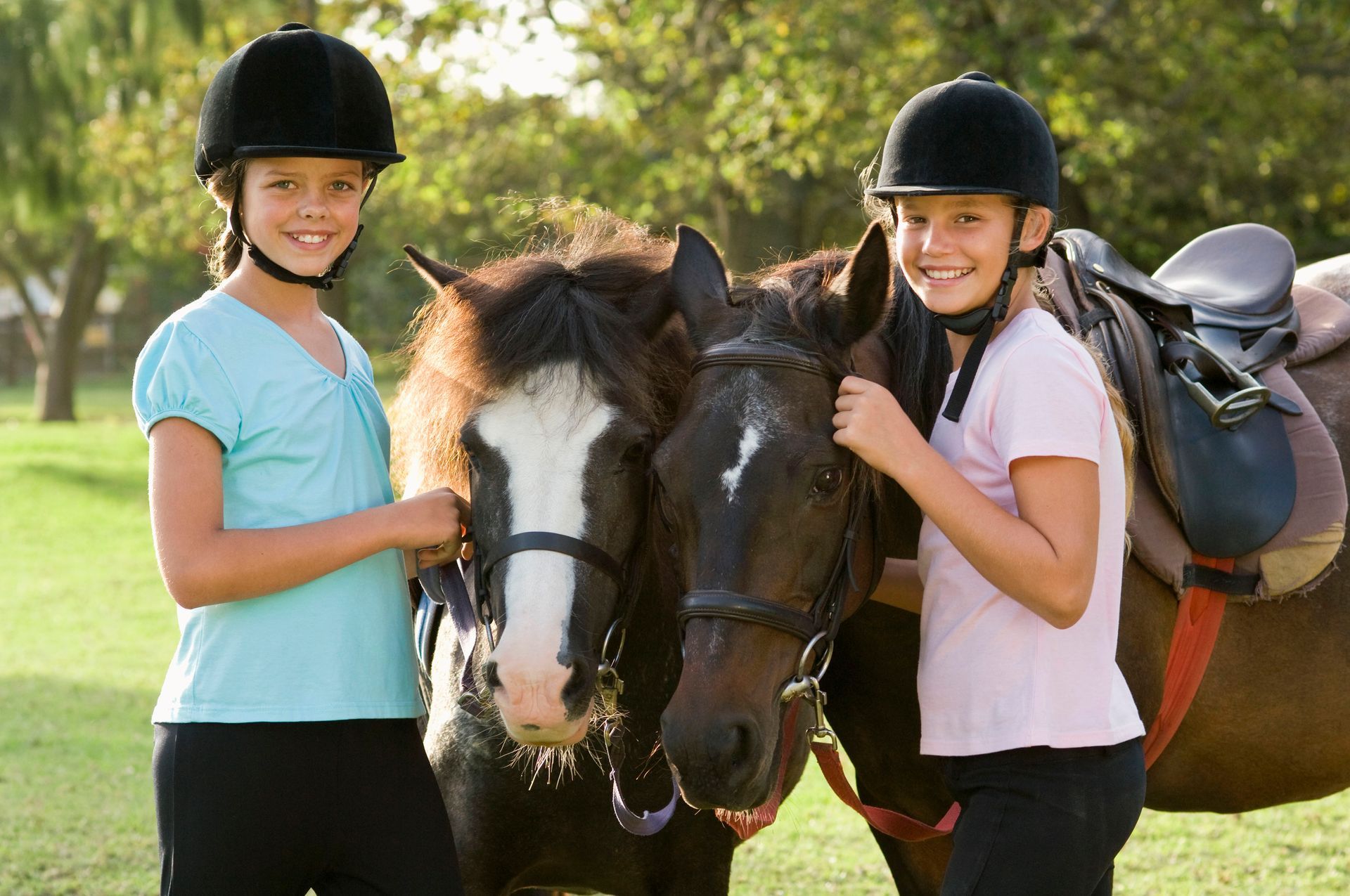
Beyond individual friendships, equine activities offer exceptional opportunities for family bonding and multi-generational engagement. Horseback riding is one of the few sports where family members of varying ages can learn, practice, and enjoy activities side by side. Whether embarking on group trail rides, attending weekend competitions, or assisting with barn chores, families build cherished memories while working together as a team. This shared lifestyle encourages open communication, mutual support, and cooperative learning, enriching family relationships across generations through a healthy outdoor activity.
5. Enhancing Personal Confidence and Life Skills
Learning to guide and care for a large, powerful animal inherently builds a deep sense of personal confidence and self-assurance. Investing in horseback riding lessons guides riders through a structured journey from hesitation to competence. As novice equestrians master fundamental skills, such as grooming, saddling, mounting, and controlling a horse's movement, they experience tangible proof of their own capability. Overcoming initial fears and learning to communicate effectively with an animal ten times their size instills a profound sense of empowerment that positively alters a rider's self-image.
This newfound confidence translates into essential life skills, including leadership, clear communication, and decisive problem-solving. A horse quickly senses hesitation or mixed signals, requiring the rider to act as a clear, assertive, and empathetic leader. Developing this balanced leadership style teaches individuals how to convey instructions with clarity and calm authority, a skill that directly translates into effective management and personal relationships. Additionally, making rapid decisions while navigating obstacles or managing unexpected horse behaviors sharpens critical thinking and adaptive problem-solving skills under pressure.
Horseback riding represents far more than an enjoyable pastime; it is a holistic discipline that nourishes the body, sharpens the mind, and enriches social well-being. Through structured physical engagement, riders build core strength, flexibility, and cardiovascular endurance, all while enjoying an active outdoor lifestyle. On a psychological level, the unique bond formed between human and horse offers unparalleled stress relief, emotional grounding, and mental clarity, serving as a powerful counterweight to the pressures of daily living. Furthermore, the supportive community surrounding equestrian sports provides rich opportunities for social connection, family bonding, and personal mentorship.
Embracing the equestrian journey allows individuals to develop lasting life virtues, including empathetic leadership, problem-solving, and personal accountability. Whether you are seeking a dynamic alternative to traditional fitness routines, a therapeutic outlet to recharge your mental health, or a welcoming community of like-minded enthusiasts, scheduling regular riding sessions offers transformative rewards for people of all ages and backgrounds. Step into the saddle to experience the profound joy, strength, and fulfillment that come from mastering this timeless art. For more information about the services that we offer, reach out to our incredible team at AMG Equestrian today!
Share On: