
Things to Know Before Signing Up for Your First Horseback Riding Lesson
Horseback riding is an enriching experience that offers a blend of adventure, exercise, and a deep connection with nature. Before stepping into your first lesson, it's crucial to gain a clear understanding of the requirements and nuances involved in learning to ride a horse. This article will guide you through what to expect and how to prepare, ensuring your journey begins with confidence and enthusiasm.
As a beginner, aligning your expectations with the reality of horseback riding is essential. This entails not only understanding the physical and mental facets but also the financial and logistical aspects necessary to make the most of your riding experience. Let this guide be your first step towards the world of horseback riding.
Your initial encounter with horseback riding might be overwhelming, but this guide is crafted to ease your concerns by providing comprehensive insights into preparatory steps. From understanding the basic riding styles to tackling beginner challenges, every aspect is covered to smooth your path. The aim is to arm you with the knowledge needed to enjoy this thrilling yet peaceful activity.
Understanding the Basics of Horseback Riding
Get to Know the Different Riding Styles
Horseback riding encompasses a variety of styles, primarily categorized into English and Western riding. Each style offers unique techniques and purposes, often reflecting the cultural and historical traditions from which they evolved. For instance, English riding, prevalent in Olympic disciplines, focuses on precision and control, making it a popular choice for competitive events. On the other hand, Western riding, originating from the ranches of the American West, promotes comfort and stability over long distances, celebrated in events like rodeo and trail riding. Familiarizing yourself with these styles can help you decide the direction you wish to pursue in your riding journey.
Before signing up for lessons, it's helpful to research and perhaps observe both styles in action to see which resonates with you. Riding stables often offer introductory lessons in both styles, providing a hands-on understanding of each. Knowing the specifics of different riding styles not only broadens your perspective but also refines your choice based on your interests and aspirations. Additionally, discussing with experienced riders and instructors can provide you with valuable insights into the benefits and challenges each riding style offers. Your preference might be influenced by personal goals, such as competition, leisure, or mastering a new skill.
Familiarize Yourself with Essential Riding Gear
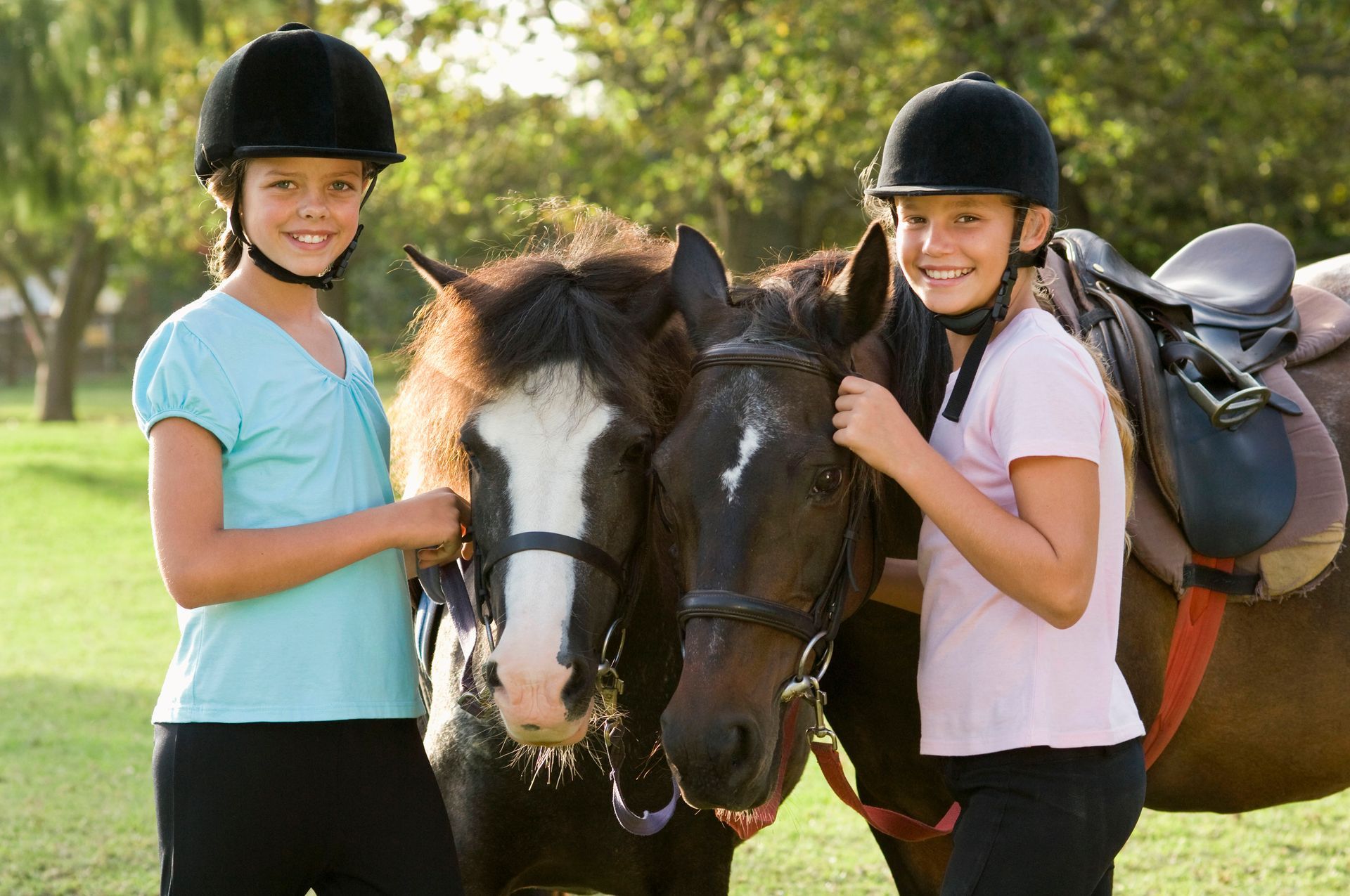
Equipping yourself with the right riding gear is critical for safety, comfort, and efficacy in learning. Essential gear includes items like helmets, boots, and appropriate attire, which are designed to protect and enhance the riding experience. A well-fitted helmet is a non-negotiable piece, ensuring protection against potential falls or impacts. Riding boots offer a secure grip and prevent slipping off stirrups, while suitable clothing allows ease of movement and varies depending on the riding style chosen. Investing in good quality gear may have additional costs, but it ensures longevity and safety, paving the way for a smoother riding experience.
When acquiring riding gear, it's important to prioritize quality over fashion. The gear you choose should be durable and tailored to fit comfortably to avoid distractions during practice. While local stores may offer a variety of equipment, online platforms provide wider selections that can be reviewed for customer ratings and expert recommendations. Joining equestrian forums can also help new riders glean real-world advice on brands and essential items to consider. Remember that proper gear not only enhances your safety but also your overall riding efficiency by improving posture and balance.
Learning the Importance of Balance and Posture
Balance and posture are fundamental skills that underpin effective horseback riding and are among the first techniques you'll learn. Maintaining a correct posture ensures a smooth communication channel with the horse, conveying confidence and clarity through your movements. Good posture involves sitting upright, with shoulders relaxed and eyes looking ahead, helping to balance your center of gravity atop the horse. Practicing these skills off the horse can accelerate your proficiency once you're on the saddle, as core exercises and yoga can enhance your balance and flexibility. These components are central to building a strong riding foundation, allowing both rider and horse to move harmoniously.
Balancing on a horse, especially at varied paces, requires continuous practice and kinesthetic awareness. Your instructor will guide you through techniques that include standing in the stirrups and shifting weight to experience and adapt to the horse's movements. It's equally important to develop these skills with patience, as rushing through can lead to improper habits that are difficult to unlearn. As you progress, a nuanced understanding of balance helps you react more intuitively, facilitating more advanced riding skills like controlling speed and direction. Ultimately, an improved balance boosts not only your riding confidence but also your overall safety and enjoyment.
Understanding Basic Horse Behavior
A strong grasp of horse behavior is crucial for effective and safe riding. Horses are naturally intuitive animals, often responsive to the rider's moods and energies. Understanding their communication cues can foster a respectful and trusting partnership, allowing for better responses to commands and situational changes during riding. Horses communicate primarily through their body language - ears pinned back might indicate discomfort or agitation, while forward ears suggest alertness and attention. Developing observational skills to recognize these cues equips you with the knowledge to handle various scenarios confidently.
Various schools offer introductory lessons on equine behavior, helping you decode the horse's responses to different stimuli. As prey animals, horses rely on quick reflexes and acute senses, often reacting to perceived threats or unfamiliar situations. Encouraging comfort and reassurance through calm, confident handling can alleviate anxiety in a nervous horse. Building trust with your horse goes beyond understanding their behavior; spending time grooming and caring for the animal cultivates mutual respect and understanding. Adequate knowledge of equine behavior transforms your riding experience, minimizing misunderstandings and enhancing mutual cooperation.
Recognizing the Role of the Riding Instructor
The riding instructor is a cornerstone of your learning experience, responsible for imparting skills and confidence in budding riders. Their guidance extends beyond teaching basic riding techniques; they are there to ensure your safety while creating a supportive environment for skill development. A knowledgeable instructor tailors lessons according to individual learning paces, breaking down complex maneuvers into digestible steps. Instructors are proficient in addressing concerns, adjusting coaching styles to cater to diverse learning needs, and fostering a motivating atmosphere that promotes growth and enjoyment. Their expertise is not confined to just riding; they provide insights into horse behavior, care, and best practices for interacting with horses.
Building a rapport with your instructor is as important as learning from them. Communication with your instructor is essential for clarifying doubts, discussing progress, or expressing any apprehensions during lessons. Their experience is invaluable when dealing with initial hurdles in riding, as they offer practical solutions and customized strategies. Picking an instructor compatible with your learning preference and personality can make a substantial difference, influencing your enthusiasm and commitment. An instructor's passion and patience significantly shape your initial impressions of riding, setting the foundation for your entire equestrian journey.
Preparing Yourself Physically and Mentally
Ensuring Physical Fitness and Flexibility
Physical fitness plays a crucial role in mastering horseback riding, as it demands coordination and strength across various muscle groups. Regular exercise, particularly targeting core stability, leg strength, and flexibility, can significantly enhance your riding capability and stamina. Engaging in activities like swimming and yoga can improve your overall fitness level and are particularly beneficial for people new to horse riding. While horseback riding itself is an exercise, being in good shape prior to riding prepares you for the physical demands of maintaining balance and sustaining posture over extended periods. A fitter body adapts more quickly to the rigors of riding, facilitating a smoother learning curve and reducing the risk of fatigue and injury. Be sure to reach out to AMG Equestrian LLC today for more information on our professional horseback riding lesson services!
Share On: