
Essential Safety Tips From Horseback Riding Instructors
Horseback riding is one of those activities that combines excitement, skill, and a unique connection with an incredible animal. Whether you're stepping into the saddle for the first time or have years of riding experience, safety should always come first. Every ride is different, and even the calmest horse can react unexpectedly to something in its environment.
That is why experienced horseback riding instructors place such a strong emphasis on building safe habits before riders ever head onto the trail or into the arena. From understanding horse behavior to wearing the right equipment, small decisions can make a big difference. The following safety tips offer practical guidance that riders of all skill levels can use to enjoy every ride with greater confidence.
Understanding Horse Behavior
Learning how horses communicate is one of the most valuable lessons horseback riding instructors teach. Horses rely heavily on body language, and recognizing their signals helps riders respond before a situation becomes dangerous. Ears pinned back, a swishing tail, or tense muscles can indicate stress, while relaxed ears and soft movements often suggest the horse is comfortable.
Building trust also plays an important role in staying safe. Spending time grooming, leading, or simply being around a horse helps strengthen the relationship between horse and rider. A horse that feels secure is generally more willing to listen and cooperate, creating a smoother experience for everyone involved.
According to IBISWorld, the U.S. horse and equine production industry is expected to generate roughly $2.5 billion in revenue during 2025, highlighting the importance of proper horse care and knowledgeable instruction throughout the industry. Experienced horseback riding instructors understand that developing trust between horse and rider benefits both safety and long-term success.
Performing Pre-Ride Checks
Before every ride, taking a few extra minutes to inspect equipment can prevent avoidable accidents. Saddles, bridles, stirrups, girths, and reins should all be checked for signs of wear, loose stitching, or damage. Properly fitted tack keeps both the rider and horse comfortable while reducing the likelihood of equipment failure.
The horse should also receive a quick health assessment before leaving the barn. Looking for cuts, swelling, limping, or unusual behavior allows riders to identify potential issues before they become serious. Even a horse that appears healthy may have subtle signs of discomfort that deserve attention.
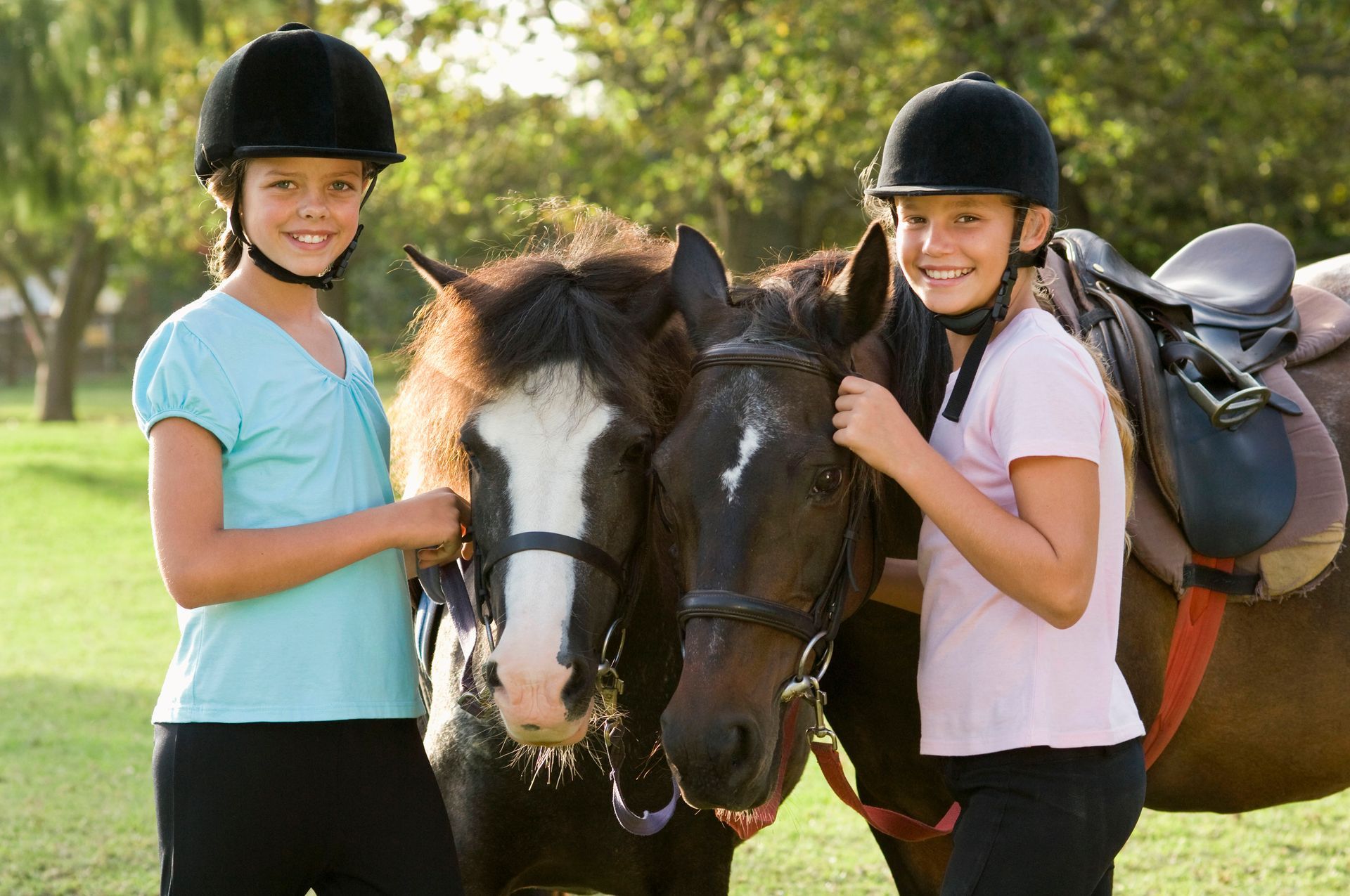
Personal safety equipment matters just as much. A properly fitted riding helmet, boots with a heel, and appropriate riding attire provide valuable protection if something unexpected happens. Horseback riding instructors consistently remind riders that wearing the right gear should become second nature, regardless of experience level.
Choosing Safe Riding Areas
Selecting the right location is another important part of horseback riding safety. Riding arenas, trails, and open fields should be evaluated before every ride to identify hazards such as uneven ground, loose rocks, fallen branches, or slippery surfaces. Addressing these concerns ahead of time helps reduce unnecessary risks.
Weather conditions deserve equal consideration. Heavy rain, strong winds, or excessive heat can affect both the horse's performance and the rider's ability to stay comfortable and alert. Sometimes the safest decision is simply waiting for better conditions instead of forcing a ride.
Awareness should continue throughout the ride as well. Staying alert to other horses, wildlife, vehicles, cyclists, or pedestrians allows riders to react calmly when situations change. Maintaining awareness helps prevent surprises that could startle a horse and lead to unsafe situations.
Practicing Proper Mounting and Dismounting
Getting on and off a horse safely may seem simple, but proper technique protects both horse and rider. Riders should always approach calmly, maintain control of the reins, and use a mounting block whenever possible. Mounting blocks reduce strain on the horse's back while helping riders climb aboard with better balance.
Remaining balanced during mounting is equally important. Sudden movements or pulling heavily on the saddle can make a horse uncomfortable or cause it to shift unexpectedly. Taking time to mount smoothly creates a more relaxed beginning to the ride.
Dismounting deserves the same level of attention. Riders should bring the horse to a complete stop, check their surroundings, and swing down carefully without rushing. Practicing these movements regularly helps build confidence while reducing the chances of slips or falls.
Maintaining Effective Riding Techniques
Good riding habits help riders communicate clearly while maintaining control. Proper posture, relaxed shoulders, and balanced body positioning allow riders to move naturally with the horse instead of against it. This improves comfort for both partners while making communication more effective.
Using the reins and legs with consistent, gentle cues encourages the horse to respond without confusion. Pulling too hard or giving conflicting signals can create frustration and uncertainty. Developing soft, consistent communication allows riders to guide their horses more confidently.
Managing speed is another essential skill. Smooth transitions between walking, trotting, and cantering keep the horse balanced and responsive while giving riders more control. Horseback riding instructors often encourage riders to focus on mastering slower gaits before progressing to faster speeds because strong fundamentals create safer riding habits.
Preparing for Emergencies
Even experienced riders can encounter unexpected situations. Horses may become startled by wildlife, loud noises, unfamiliar objects, or sudden movements. Remaining calm often helps prevent the horse from becoming even more anxious, allowing the rider to regain control safely.
Knowing how to respond during a fall is equally valuable. Riders should protect their head and neck whenever possible and avoid trying to stand immediately until they have assessed themselves for injuries. Practicing emergency procedures during lessons helps riders react more confidently if an accident occurs.
Carrying a basic first-aid kit and a fully charged phone can also make a significant difference during emergencies, especially on trail rides. Letting someone know the riding route and expected return time provides another layer of protection. Preparation cannot prevent every incident, but it can greatly improve the outcome when challenges arise.
Continuing Learning and Improving
Horseback riding is a lifelong learning experience. Even accomplished riders continue taking lessons because every horse teaches something new. Ongoing instruction allows riders to refine their skills while correcting habits that may develop over time.
Participating in clinics, workshops, or group riding events also provides opportunities to learn from experienced professionals and fellow riders. These experiences introduce new techniques while reinforcing proven safety practices. Riders often discover small adjustments that improve both confidence and communication with their horses.
Regular self-evaluation is equally important. Setting goals, reviewing progress, and asking for feedback encourages continuous improvement. Horseback riding instructors know that consistent practice, patience, and a willingness to learn will help riders become safer, more capable partners for their horses.
Horseback riding offers unforgettable experiences built on trust, communication, and respect between horse and rider. While no activity is completely without risk, developing safe habits greatly reduces the likelihood of accidents and creates a more enjoyable experience. Understanding horse behavior, checking equipment, practicing proper techniques, preparing for emergencies, and continuing to learn all contribute to becoming a more confident rider.
The guidance shared by experienced horseback riding instructors provides a strong foundation for riders of every age and skill level. By making safety a daily habit rather than an afterthought, riders can build lasting confidence while protecting both themselves and their horses. Contact AMG Equestrian today to learn from experienced horseback riding instructors and enjoy a safer, more rewarding riding experience.
Share On: